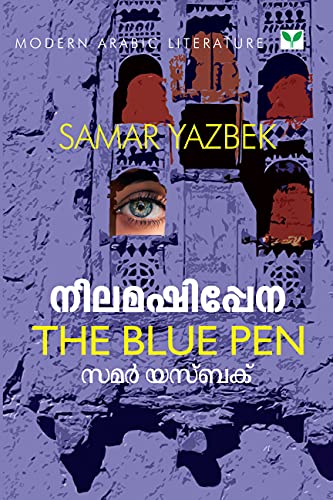
The blue pen tells the gripping story of Rima, a young Syrian girl who hardly speaks but feels, sees and writes all the more. When a soldier shoots her and her mother at a checkpoint and her mother is killed, Rima ends up seriously injured in a besieged hospital around Damascus. In that hell on earth, she finds a sheet of paper and a blue pen, and with that she begins to write her story.
Through her poetic, associative writing style and vivid, almost visual observations, she takes you into her memories, her pain, her imagination and the madness of war. You feel the fear and sadness of every bombing, but also the resilience of Rima who continues to search for beauty in the midst of destruction.
What makes this book special is how it combines the harsh reality of war with a childish, almost dreamy look.
The narrative style jumps from the heels on the branch, just like the thoughts of Rima herself, which sometimes means that you have to land in what exactly is happening. But it is precisely this way of telling that makes the story so catchy and intense.
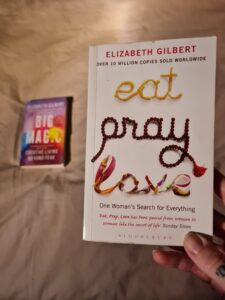
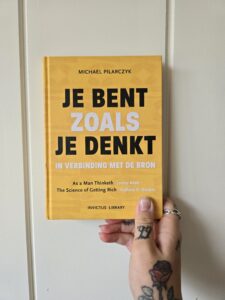
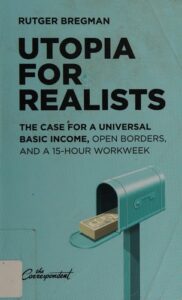
I had enough of the self-help books and loved reading a storybook in between. The blue pen was therefore a surprising choice – it is not a lighthearted story and certainly not a comfort read, but it does catch you.
The jumpy, associative nature of Rima’s experience made the book both special and fascinating for me; sometimes difficult to follow, but always impressive and full of feeling. It made me feel real in the story, more than many other novels. Moreover, it was extra special because it is a book that I received from my uncle and it fits into the impressive Oxfam Novib series, in which voices from other parts of the world are heard.
In short: The blue pen is a literary touch, penetrating and different from what you might expect – a story you won’t soon forget. Written by Samar Yazbek.