🇺🇲
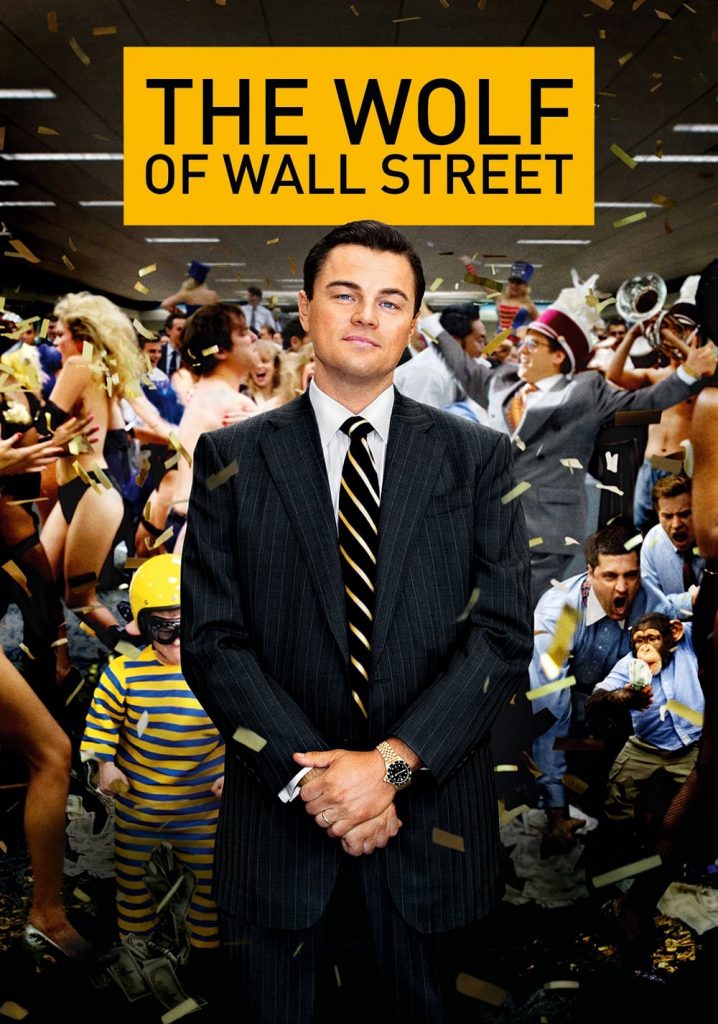
The Wolf of Wall Street is a film you don’t just watch — you experience it. It’s a wild, energetic, and at times shocking ride through a world driven by greed, power, and moral collapse. Under the masterful direction of Martin Scorsese, who has been known for decades for his sharp character studies and raw storytelling style, this story comes to life with remarkable intensity and bravado.
Released in 2013, the film quickly grew into a cultural phenomenon — part satire, part biographical drama, and part moral mirror.
The lead role is brilliantly played by Leonardo DiCaprio, who portrays Jordan Belfort with an explosive mix of charisma, charm, and madness. His performance is both fascinating and unsettling — you want to condemn him, yet you can’t take your eyes off him.
DiCaprio is supported by a strong cast, including Jonah Hill as Donnie Azoff, the loyal yet eccentric partner-in-crime, and Margot Robbie as Naomi Lapaglia, Belfort’s glamorous but emotionally scarred wife.
We also see Matthew McConaughey in a memorable supporting role as Mark Hanna, who, in a short but iconic scene, establishes the tone of Belfort’s lifestyle and eventual downfall.
Scorsese’s direction is bold, energetic, and uncompromising.
The film deliberately uses exaggeration, dark humor, and absurdity to expose the madness of the financial world. The pacing is fast, the editing highly dynamic, and the voice-overs pull us directly into Belfort’s world — and his mind. Despite the relentless decadence on screen, the film remains sharp and critical; behind the humor and spectacle lies a story about greed, addiction, and moral emptiness.
One of the most intriguing aspects of the film is the question: how much of this actually happened? The Wolf of Wall Street is based on Jordan Belfort’s own memoir, in which he describes his rise and fall in the financial world of the 1990s. Many elements are indeed based on real events: Belfort worked at brokerage firms, later founded Stratton Oakmont, made vast fortunes through questionable stock schemes, and became entangled in fraud, corruption, and an excessive lifestyle.
His arrest and eventual cooperation with authorities are also authentic parts of his story.
However, it’s important to note that the film dramatizes and stylizes certain events. Some characters are fictional or composites of multiple real people, and several situations are exaggerated to emphasize the surreal and grotesque nature of the excess on display.
The film is not a documentary — it is a satirical interpretation of Belfort’s memoir, amplifying the absurdity of extreme wealth and moral decay in order to convey a broader message about greed and responsibility.
What truly sets the film apart is the way it functions as both a fierce critique of capitalist excess and, at the same time, something almost hypnotically seductive. The luxury yachts, wild parties, and unchecked power are depicted so spectacularly that the viewer sometimes momentarily forgets how destructive it all is.
That tension — between allure and collapse — is exactly what makes the film so powerful: it shows the temptation and the inevitable fall.
This film stands out for its energy, humor, and cinematic boldness. It is daring, unapologetic, and provocative — a modern classic that makes you reflect on wealth, responsibility, and human weakness.
Thanks to its brilliant cast, iconic scenes, and Scorsese’s razor-sharp direction, the film lingers long after the credits roll. It is a story of rise and downfall, told with fire, flair, and a strong dose of self-aware irony — and that is exactly what makes The Wolf of Wall Street one of the most memorable films of its time.
And about the Lamborghini Countach (25th Anniversary Edition) — yes, that car was real, not a replica. The production used multiple Countach models during filming, and one of them was visibly damaged while shooting the scene. The car, with its signature V12 engine and scissor doors, was later preserved as a film prop and even offered at auction, where screen-used models were expected to sell for millions of dollars due to their iconic status and direct connection to Leonardo DiCaprio and director Martin Scorsese.
As for the film’s budget — The Wolf of Wall Street was a large-scale production with an estimated budget of around $100 million. This made it one of Scorsese’s more expensive projects and gave the filmmakers the freedom to use high-quality sets, real luxury cars like the Countach, an A-list cast, and extensive production resources. That investment paid off: the film went on to gross more than $400 million worldwide, making it both a critical and commercial success.
An incredible film to revisit every few years — and definitely one you can learn from. Thanks for reading 🩷
🇳🇱
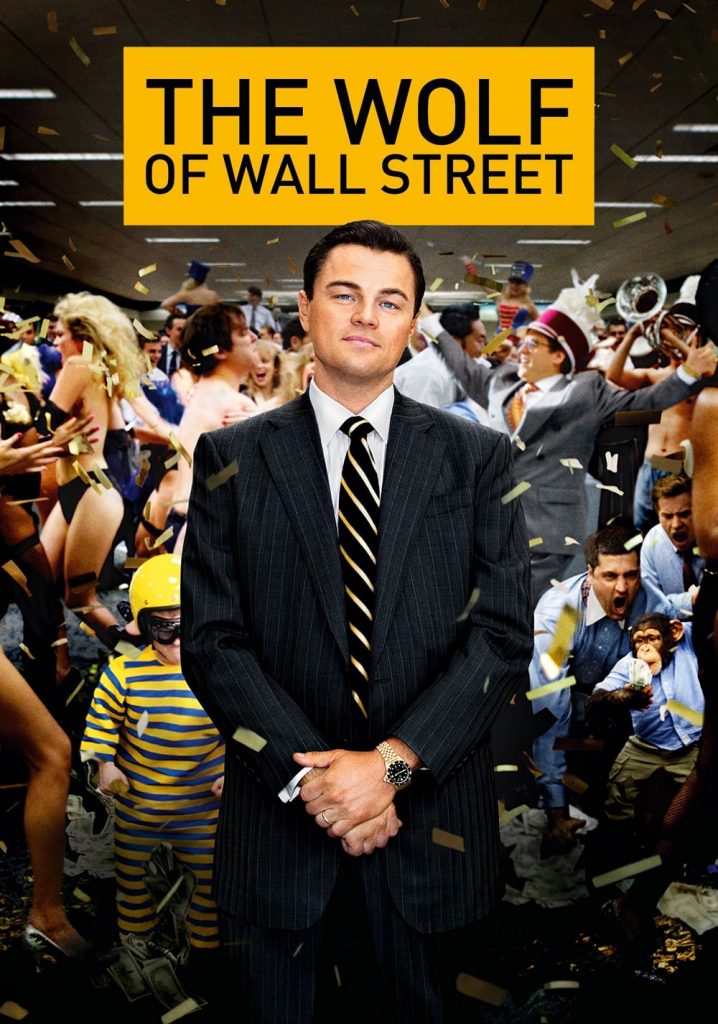
The Wolf of Wallstreet is een film die je niet alleen kijkt, maar ook ervaart — een uitzinnige, energieke en bij vlagen shockerende rit door de wereld van geldzucht, macht en morelen die vervallen.
Onder de meesterlijke regie van Martin Scorsese, die al decennialang bekendstaat om zijn scherpe karakterstudies en rauwe verhalende stijl, komt dit verhaal tot leven met een ongekende intensiteit en bravoure.
De film verscheen in 2013 en groeide al snel uit tot een cultureel fenomeen: een satire, een biografische vertelling en een morele spiegel tegelijk.
De hoofdrol wordt vertolkt door Leonardo DiCaprio, die de rol van Jordan Belfort neerzet met een explosieve combinatie van charisma, charme en waanzin. Zijn performance is zowel fascinerend als verontrustend — je wíl hem veroordelen, maar je kunt je ogen niet van hem afhouden.
DiCaprio wordt omringd door een sterke cast, waaronder Jonah Hill als Donnie Azoff, de loyale maar excentrieke compagnon, en Margot Robbie als Naomi Lapaglia, Belforts glamoureuze maar eveneens getekende echtgenote.
Verder zien we onder anderen Matthew McConaughey in een memorabele bijrol als Mark Hanna, die in een korte maar iconische scène de toon zet voor Belforts ondergang en levensstijl.
Scorsese’s regie is gedurfd, energiek en compromisloos. De film maakt bewust gebruik van overdrijving, zwarte humor en absurditeit om de waanzin van de financiële wereld te tonen. Het tempo is hoog, de montage dynamisch en de voice-overs versterken het gevoel dat we rechtstreeks in Belforts wereld — en brein — worden gezogen.
Ondanks de voortdenderende decadentie blijft de film scherp en kritisch: achter de lach en het spektakel schuilt een verhaal over hebzucht, verslaving en morele leegte.
Eén van de interessantste aspecten van de film is de vraag: hoeveel hiervan is nou echt gebeurd? The Wolf of Wall street is gebaseerd op de memoires van Jordan Belfort zelf, die zijn carrière en ondergang in de financiële wereld van de jaren negentig beschreef. Veel elementen zijn dus gebaseerd op ware gebeurtenissen: Belfort werkte daadwerkelijk bij brokeragefirma’s, richtte later Stratton Oakmont op, verdiende fortuinen via dubieuze aandelenpraktijken en raakte verstrikt in fraude, corruptie en buitensporige levensstijl. Zijn arrestatie en uiteindelijke samenwerking met de autoriteiten vormen eveneens een authentiek onderdeel van zijn levensverhaal.
Toch is het belangrijk te benadrukken dat de film bepaalde gebeurtenissen dramatiseert en stilistisch aandikt. Sommige personages zijn samengevoegd of fictief.
De film is dus geen documentaire, maar eerder een satirische interpretatie van Belforts memoires — een verhaal dat de absurditeit van extreme rijkdom en moreel verval uitvergroot om een bredere boodschap over hebzucht en verantwoordelijkheid over te brengen.
Wat de film écht bijzonder maakt, is de manier waarop hij enerzijds een keiharde kritiek vormt op kapitalistische overdaad, terwijl hij anderzijds bijna hypnotiserend werkt in zijn verleiding. De luxueuze jachten, wilde feesten en onbegrensde macht worden zó spectaculair verbeeld, dat de kijker soms even vergeet hoe destructief dit alles is. Dat spanningsveld maakt de film juist krachtig: hij toont de verleiding én de onvermijdelijke val.
Deze film blinkt uit in zijn energie, humor en cinematografische lef. De film is gedurfd, schaamteloos en prikkelend — een moderne klassieker die je aan het denken zet over rijkdom, verantwoordelijkheid en menselijke zwakte. Dankzij de briljante cast, de iconische scènes en de scherpe regie van Martin Scorsese blijft de film nog lang nazinderen na de aftiteling.
Het is een verhaal over opkomst en ondergang, verteld met vuur, flair en een flinke dosis zelfbewuste ironie — en precies dat maakt The Wolf of Wall Street tot één van de meest memorabele films van zijn tijd.
Ohja en wat betreft de Lamborghini Countach (25th Anniversary Edition) die auto was echt, geen replica.
De productie gebruikte meerdere Countach-modellen voor de film en één daarvan raakte zichtbaar beschadigd tijdens het draaien van de scène. Die auto, met zijn karakteristieke V12-motor en scissor-deuren, werd later bewaard als filmprop en op veilingen aangeboden, waar exemplaren uit de film miljoenen dollars konden opbrengen vanwege hun iconische status en de connectie met Leonardo DiCaprio en regisseur Martin Scorsese.
En nog even over het budget van de film.. het was een grootschalige productie met een geschat productiebudget van ongeveer $100 miljoen. Dat maakte het tot een van de duurdere projecten van Scorsese en gaf de filmmakers de ruimte om hoogwaardige sets, echte luxeauto’s zoals de Countach, topacteurs en uitgebreide filmproductie-elementen te financieren. Door die investering wist de film wereldwijd ruim $400 miljoen op te halen aan de kassa, wat het zowel kritisch als commercieel tot een groot succes maakte.
Waanzinnige film om eens in de 5 jaar eens te kijken en ook zeker leerzaam!
Bedankt voor het lezen 🩷